


US and Russia Resume Direct Contacts After Preliminary “Understanding” with Ukraine
Army Secretary Dan Driscoll is in Abu Dhabi holding face-to-face meetings with a Russian delegation to achieve a lasting peace.
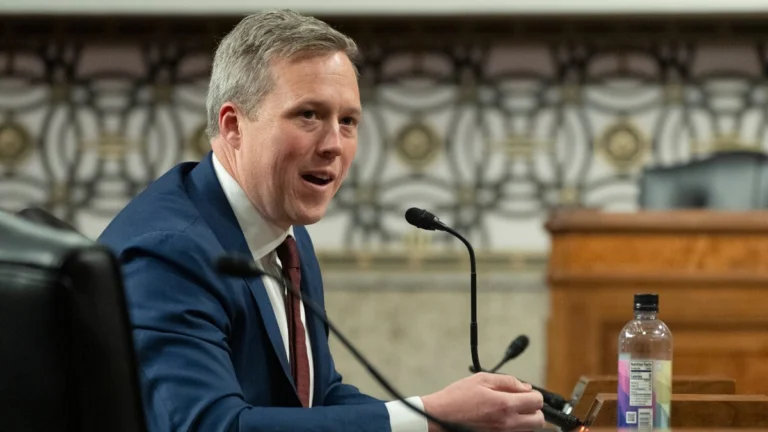
Russian diplomatic sources acknowledge that Washington’s appointment of Driscoll, a figure with direct access to Trump’s security cabinet, indicates the White House is willing to offer operational concessions to bridge the gap. Photo: @Publico.es
November 25, 2025 Hour: 4:38 pm
🔗 Comparte este artículo
International negotiations on the Ukrainian conflict entered an unexpectedly accelerated and chaotic phase this week. After several days of tense meetings in Geneva, the Trump Administration claimed to have reached an “updated and refined peace framework” with Kyiv, paving the way for a new diplomatic move: the dispatch of Army Secretary Dan Driscoll to Abu Dhabi for face-to-face meetings with a Russian delegation.
The maneuver marks Washington’s most direct attempt to involve Moscow in a negotiating framework that it intends to validate with all three key players.
RELATED:
4 Key Reasons Europe Rejects Trump’s Ukraine Peace Plan as Geneva Talks Begin
Driscoll arrived in the United Arab Emirates on Monday and, according to his spokesperson, has since been holding talks with Russian representatives with the aim of “achieving a lasting peace.” The meeting generated surprise in both Kyiv and Moscow, as the Gulf city was initially slated for a meeting between the heads of military intelligence from Ukraine and Russia to address “another matter.”
The arrival of the US envoy altered the format and, de facto, positioned Washington as the central mediator in a process that until recently seemed deadlocked.
US diplomacy maintains that Kyiv has shown a constructive attitude toward the revised document from Geneva, which was reduced from 28 to 19 points after intense discussions. Although US officials stated that Ukraine “has agreed to the peace plan,” the regime led by Volodymyr Zelensky has qualified that statement: there is a “common understanding on the core terms,” but sensitive details remain to be resolved.
Among them are territorial concessions, which are expected to be discussed directly between Zelensky and Trump in a bilateral meeting planned for November, although no date has yet been confirmed.
In parallel, both sides agreed to remove from the draft the elements not directly linked to ending the conflict, such as the European security architecture, the future relationship between the US and Russia, and the debate on NATO expansion. In essence, the text seeks to focus exclusively on a cessation of hostilities, security guarantees, and verification mechanisms.
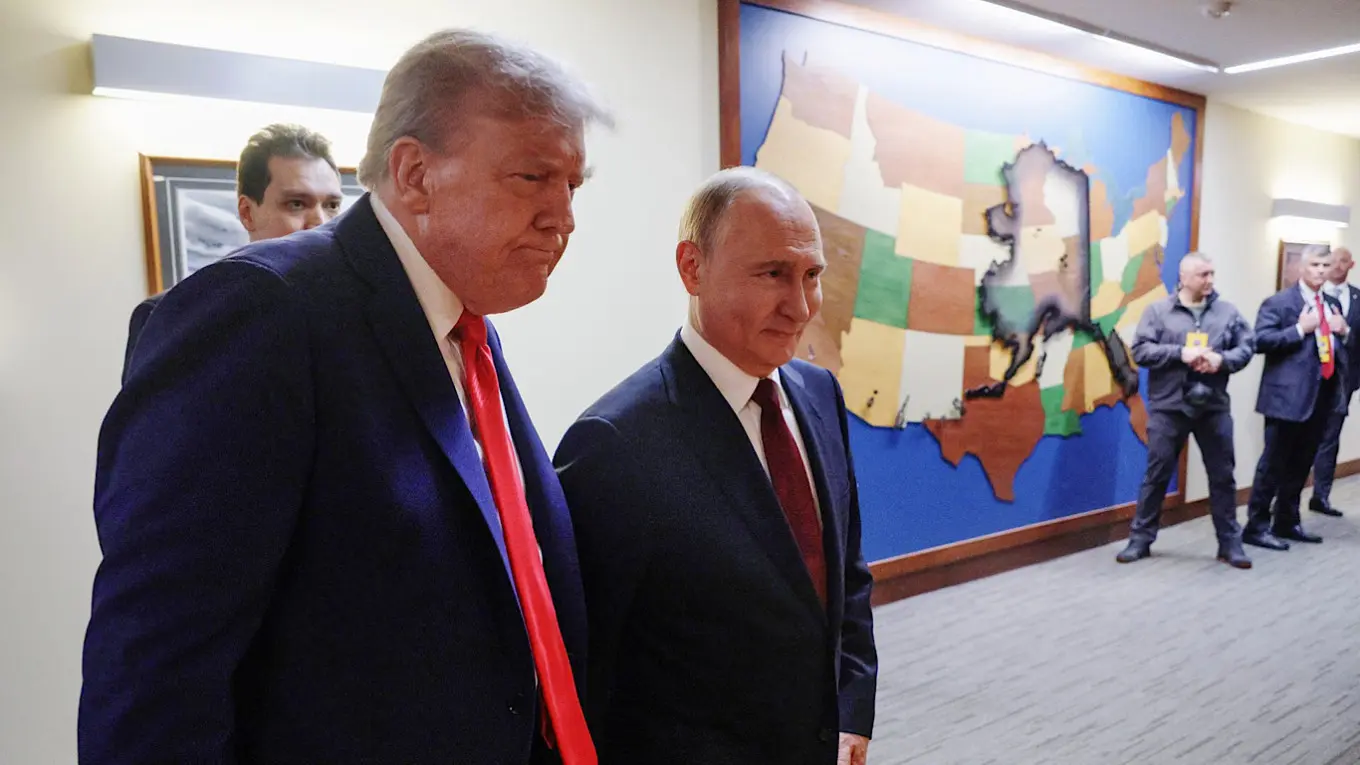
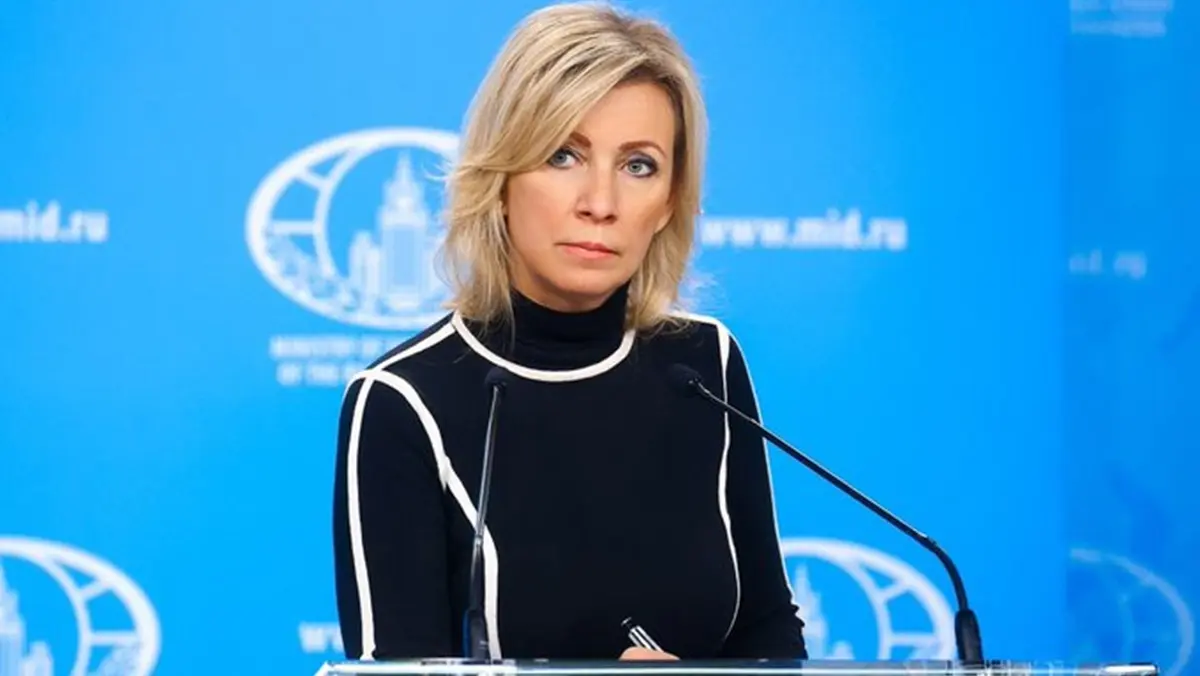
Foreign Minister Sergey Lavrov warned that Moscow will only consider acceptable a document that respects the previous understandings reached between Putin and Trump in Anchorage, Alaska. For the Kremlin, any deviation from the “spirit and letter” of that meeting constitutes a “fundamentally different” and unacceptable scenario.
Russian diplomatic sources acknowledge that Washington’s inclusion of Driscoll, a figure with direct access to Trump’s security cabinet, indicates that the White House is willing to offer operational concessions to bridge the gap.
While the talks continue, the military situation for Ukraine deteriorates. Hours before the delegations arrived in Abu Dhabi, Russia launched a massive attack with more than 460 drones and 22 ballistic missiles against several Ukrainian cities, including Kyiv. Shortly afterward, Ukraine launched 250 drones against civilian targets on Russian territory.
For the Trump Administration, these contacts represent an opportunity to consolidate a direct diplomatic triangle between Washington, Kyiv, and Moscow, partially displacing Europe’s role in the negotiations and confirming that the White House aims to control the pace and framework of any agreement.
For Ukraine, however, an ambivalent window of opportunity has opened: a potential pact could stabilize the military situation, but it would also entail accepting difficult compromises under the supervision of a US President who has threatened to reduce aid if Kyiv “does not cooperate.”
The chessboard is shifting rapidly, and Abu Dhabi could become the stage where it is decided whether the “preliminary understanding” transforms into a formal political agreement or whether tensions between Washington and Moscow once again bring everything to a standstill.
Author: HGV
Source: Agencias